Digital Transformation Is No Longer Optional for Modern Organizations
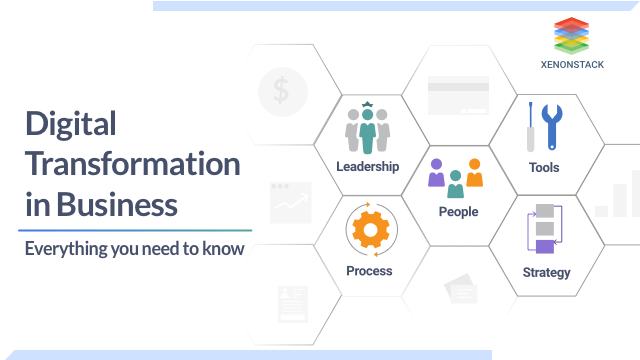
For many organizations, technology was once seen as a support tool rather than a core driver of operations. Today, that mindset is quickly becoming outdated. Digital transformation is no longer optional. It is a necessity for organizations that want to remain efficient, competitive, and resilient.
What Digital Transformation Really Means
Digital transformation is not just about buying new software or moving data to the cloud. It involves rethinking how an organization uses technology to improve processes, service delivery, decision-making, and overall performance.
This can include automating manual workflows, integrating systems, improving data visibility, and strengthening security across the organization.
Common Challenges Without Digital Systems
Organizations that rely heavily on manual processes often face recurring problems such as delayed reporting, data inconsistencies, limited accountability, and operational bottlenecks. As the organization grows, these issues become more pronounced and harder to manage.
Without proper systems in place, management spends more time resolving operational problems instead of focusing on strategy and growth.
How Digital Systems Improve Operations
Centralized digital platforms allow organizations to manage operations from a single interface. Financial data, user activities, inventory records, and performance metrics can all be accessed in real time.
Automation reduces human error, improves turnaround time, and ensures consistency across departments. Reporting becomes faster, more accurate, and easier to analyze.
Security and Compliance Matter More Than Ever
As data becomes more valuable, protecting it becomes critical. Modern systems provide role-based access, audit trails, and regular backups to ensure data integrity and security. This is especially important for institutions handling sensitive financial, academic, or customer information.
The Teqmidas Perspective
At Teqmidas I.T Solutions, we help organizations transition from fragmented processes to integrated digital systems that support long-term growth. Our solutions are designed to be practical, scalable, and aligned with real operational needs.
We believe technology should solve problems, not create new ones.
Conclusion
Digital transformation is a journey, not a one-time event. Organizations that start early and invest in the right systems position themselves for stability, efficiency, and sustainable growth in an increasingly digital world.

